 (Image via
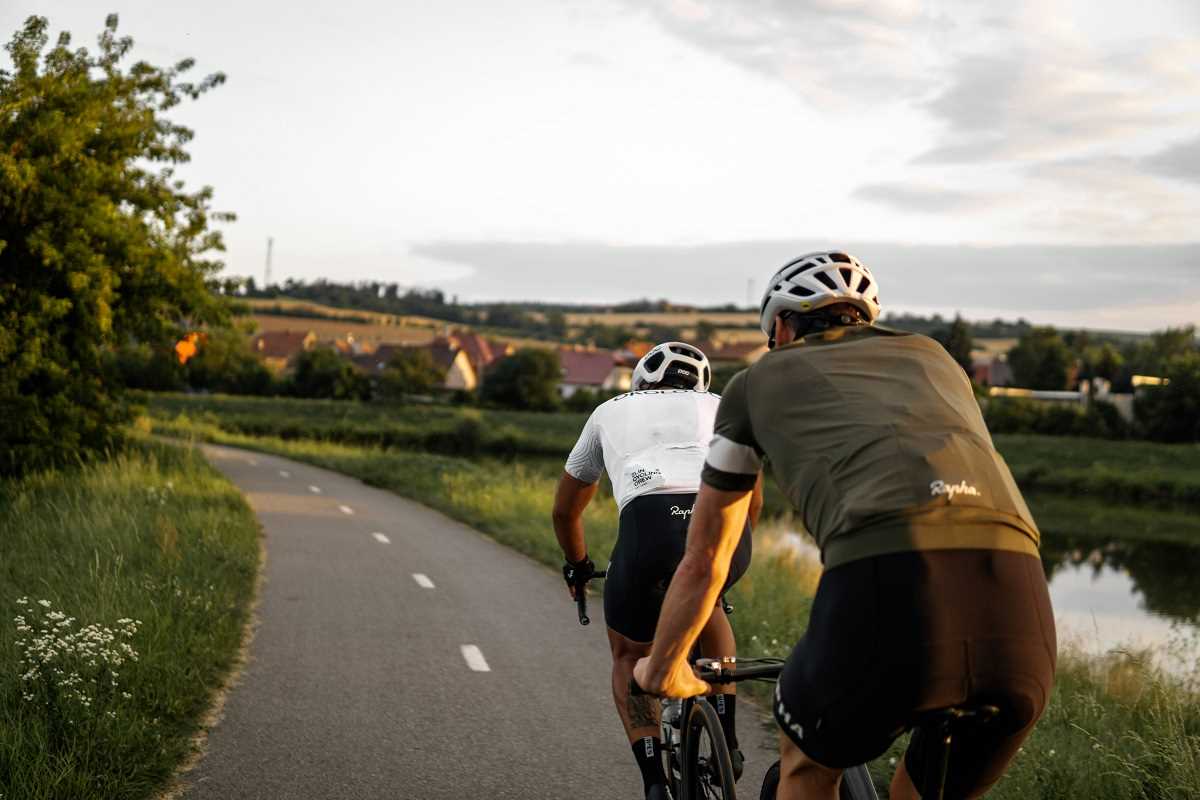
Cycling offers a wonderful escape from the daily grind and a chance to reconnect with the outdoors. Weekend rides provide a unique opportunity to explore nature, clear your mind, and build fitness all at once. Many people hesitate to venture out simply because they are unsure where to go or fear getting lost on unfamiliar roads. Planning a safe and enjoyable route is easier than ever thanks to modern technology and community resources. This guide is here to empower you with the tools needed to discover amazing paths right in your backyard or further afield. We will explore the best apps for navigation, discuss how to choose the right route for your skill level, and share essential tips for a successful adventure. Get ready to pedal into a weekend full of discovery and fresh air.
The Benefits of Exploring New Routes
Sticking to the same loop around your neighborhood is comfortable, but breaking out of that routine can be incredibly rewarding. Exploring new territories stimulates the mind and keeps exercise feeling like an adventure rather than a chore. Seeing new sights, from rolling hills to quiet city parks, adds a layer of excitement to your workout.
Riding in new locations can also help you progress as a cyclist. Different terrains challenge your muscles in new ways. A route with more elevation gain will build leg strength, while a winding trail improves your handling skills. Changing your scenery is a simple way to keep your motivation high and ensure that you look forward to getting on your bike every single weekend.
Essential Apps for Route Planning
Technology has revolutionized how we ride. Smartphone apps act as your digital co-pilot, helping you find safe paths, track your progress, and connect with other cyclists. Here are three top-rated apps that are user-friendly and packed with helpful features.
Strava: The Social Hub
Strava is perhaps the most popular app among cyclists for good reason. It combines tracking with a robust social network. You can record your rides, analyze your speed and distance, and share photos with friends.
- Heatmaps: One of Strava's best features for route planning is the Global Heatmap. This visual tool shows "heat" on a map corresponding to how many users ride a particular road or trail. Brighter lines indicate popular routes. This is a great way to identify safe and bike-friendly roads in unfamiliar areas.
- Segments: The app breaks down routes into smaller sections called "segments." You can see how long it took others to complete a specific hill or stretch of road, which helps you gauge the difficulty before you go.
Komoot: The Adventure Planner
Komoot is fantastic for those who want to explore off the beaten path. It is designed specifically for adventure and touring.
- Surface Type Analysis: Komoot breaks down your planned route by surface type, telling you exactly how much of the ride is on paved roads, gravel, or dirt trails. This prevents the unpleasant surprise of taking a road bike onto a rocky hiking path.
- Turn-by-Turn Voice Navigation: The app offers clear voice directions, allowing you to keep your phone in your pocket and your eyes on the road. This feature is invaluable for safety and convenience during long weekend rides.
Ride with GPS: The Detailed Navigator
Ride with GPS is highly favored by route planners and club cyclists. It offers detailed mapping tools that allow for high customization.
- Interactive Route Planning: You can easily draw your own route on a map, and the app will snap the line to the nearest road or trail. It displays an elevation profile at the bottom of the screen, so you know exactly when the big hills are coming.
- Offline Maps: Losing signal in rural areas is a common concern. Ride with GPS allows you to download maps and routes for offline use, ensuring you always know where you are, even without data service.
How to Choose the Right Route
Selecting a route that matches your fitness level and comfort zone is crucial for a positive experience. Taking on too much distance or elevation too soon can lead to exhaustion or frustration.
Consider Distance and Elevation
Start with a distance you are confident you can complete. A good rule of thumb is to add no more than 10% to your usual distance when exploring a new area. Elevation is just as important as mileage. A 10-mile ride on flat ground feels very different from a 10-mile ride with steep climbs. Check the elevation gain on your app to ensure it aligns with your current abilities.
Evaluate Traffic and Safety
Safety should always be the priority. Look for routes that utilize dedicated bike lanes, multi-use paths, or quiet back roads. Rail-trails are excellent options for beginners and families. These are former railway lines converted into flat, wide paths that are completely separated from car traffic. Apps like Google Maps often have a "bicycling" layer that highlights bike-friendly roads in green, making it easier to spot safe connectors between neighborhoods.
Plan for Loops vs. Out-and-Back
Deciding on the shape of your route matters. An "out-and-back" route is simple: you ride to a destination and turn around. This is safe because you can turn back at any point if you get tired. A "loop" route brings you back to the start without retracing your steps. Loops are more scenically diverse but require better commitment since there are fewer shortcuts to get back if you run out of energy.
Preparing for Your Weekend Ride
A little preparation goes a long way toward ensuring your ride is smooth and enjoyable. Taking 15 minutes to prep the night before can save you from stress on the morning of your ride.
Check Your Gear
Perform an "ABC" check on your bike before every ride:
- Air: Squeeze your tires to make sure they are firm. Inflate them to the recommended pressure listed on the sidewall.
- Brakes: Squeeze the brake levers to ensure they engage quickly and stop the wheels.
- Chain: Check that your chain is clean and lubricated. A quiet chain makes for a much smoother ride.
Pack the Essentials
Carrying a small kit can prevent you from getting stranded. A basic saddlebag should include a spare inner tube, tire levers, and a mini-pump or CO2 inflator. You should also bring your phone, ID, and a small amount of cash or a credit card.
Nutrition and Hydration
Fueling your body is essential. Bring a water bottle or hydration pack, especially if you plan to be out for more than an hour. Sipping water every 15-20 minutes helps prevent dehydration. Pack easy-to-eat snacks like energy bars, bananas, or nuts to keep your energy levels stable. Eating small amounts before you feel hungry is the key to avoiding the dreaded "bonk," or sudden loss of energy.
Staying Safe on the Road
Sharing the road with vehicles requires awareness and caution. Following traffic laws is mandatory for cyclists. Stop at stop signs and red lights just as a car would. Use hand signals to indicate turns and stops, which communicates your intentions to drivers and other riders.
Visibility helps keep you safe. Wear bright, high-contrast clothing that makes you stand out against the background. Installing front and rear lights on your bike is highly recommended, even during the day. A flashing rear red light catches a driver's attention much faster than a reflector alone.
Making It a Habit
Consistency is the secret to building a cycling lifestyle. Treat your weekend ride as a scheduled appointment with yourself. Invite a friend or family member to join you. Having a riding partner provides accountability and makes the miles fly by with conversation. Joining a local cycling club is another fantastic way to discover new routes. Clubs often host "no-drop" rides, meaning the group waits for everyone, ensuring a supportive environment for all paces.
Cycling is a journey of discovery that strengthens your body and lifts your spirit. Leveraging apps to find the perfect route and preparing with the right gear allows you to explore with confidence. Every weekend offers a new opportunity to see the world from two wheels. Get out there, stay safe, and enjoy the ride.