Wellness has largely become synonymous with optimization in recent years. We often treat our health like a business project, tracking every calorie, step, and sleep cycle with the ultimate goal of becoming more efficient. This productivity-focused approach suggests that the purpose of feeling good is simply to do more work. However, true well-being is not just fuel for your career or chores; it is an end in itself. We believe that reclaiming joy as the central pillar of health can transform your life. You deserve to feel vibrant and happy, regardless of your output. This guide explores how shifting your focus from performance to pleasure can lead to a deeper, more sustainable sense of wholeness.
The Problem with Productivity-Based Wellness
Society often applauds us only when we are "crushing it." This mentality has seeped into how we care for ourselves. We meditate to improve focus for meetings. We exercise to have more energy for long workdays. We meal prep to save time for other tasks. While these are positive actions, the motivation behind them can lead to burnout. When self-care becomes just another item on a to-do list, it loses its restorative power.
Treating your body like a machine that needs maintenance solely to keep running efficiently ignores your humanity. You are not a robot designed for endless output. You are a complex being with emotional needs that cannot be met by efficiency hacks. This constant drive to optimize can create a background hum of anxiety. You might feel guilty for resting or think that a hobby is a waste of time if it does not have a measurable benefit. This mindset strips the joy out of living and reduces wellness to a series of chores.
Redefining Wellness Through the Lens of Joy
Joy-centric wellness flips the script. Instead of asking, "Will this make me more productive?", you ask, "Will this make me feel good?" This approach prioritizes emotional satisfaction and present-moment enjoyment. It recognizes that happiness is a vital nutrient, just like protein or vitamin C.
Pleasure as a valid Goal
Pleasure is often dismissed as frivolous or self-indulgent. We are taught to delay gratification until the work is done. However, experiencing pleasure reduces stress hormones and boosts immune function. It signals safety to your nervous system.
Incorporating pleasure into your day does not require grand gestures. It can be as simple as wearing clothes that feel soft against your skin, savoring the warmth of your morning coffee without looking at your phone, or listening to music that makes you want to dance. These small moments accumulate, creating a reservoir of positive emotion that buffers you against life's challenges. Prioritizing these experiences tells your brain that your happiness matters right now, not just as a reward for future success.
Rest Without Conditions
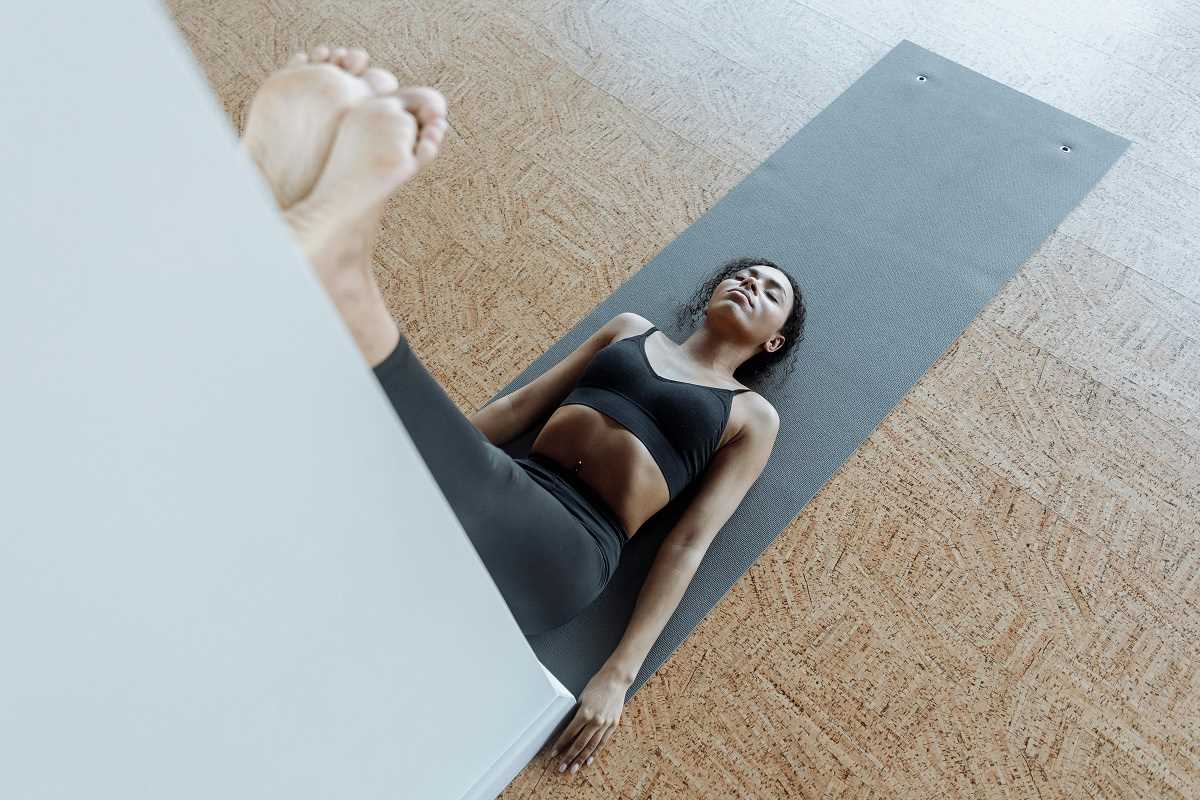
Productivity culture teaches us that rest must be earned. We often feel we can only relax after we have completed every task. Joy-centric wellness views rest as a fundamental human right. You do not need to be exhausted to deserve a break.
Unconditional rest looks like lying on the couch just because it feels good, not because you are sick. It means taking a nap without setting an alarm or spending a Saturday afternoon reading a book purely for entertainment. This type of rest restores your spirit. It allows your mind to wander and daydream, which is where creativity and true insight often live. By decoupling rest from achievement, you free yourself from the cycle of earning your worth through labor.
Practical Ways to Cultivate Joy
Shifting to a joy-centric model requires intentionality. It involves unlearning the habit of constant optimization and relearning how to listen to your desires.
Movement for Celebration, Not Punishment
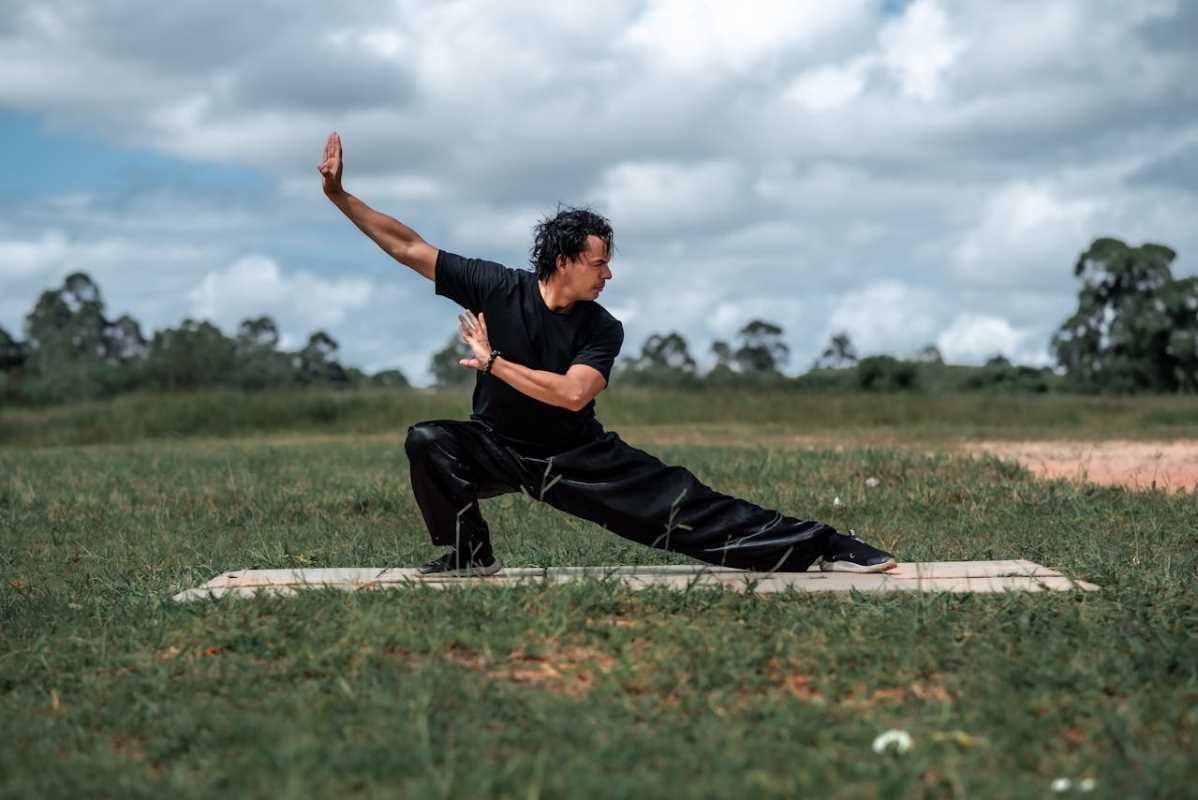
Exercise is frequently framed as a way to fix a "flawed" body or burn off calories. This perspective makes movement feel like punishment. Joy-centric movement focuses on how it feels to be in your body. It celebrates what your body can do rather than what it looks like.
You might choose activities based on fun rather than intensity. If you hate running, do not run. Try a dance class, go for a hike in nature, or swim in a lake. Focus on the sensation of your muscles working, the rhythm of your breath, and the endorphin rush. When you move for joy, consistency becomes natural because you actually look forward to the activity. It becomes a playground rather than a boot camp.
Nourishment with Satisfaction
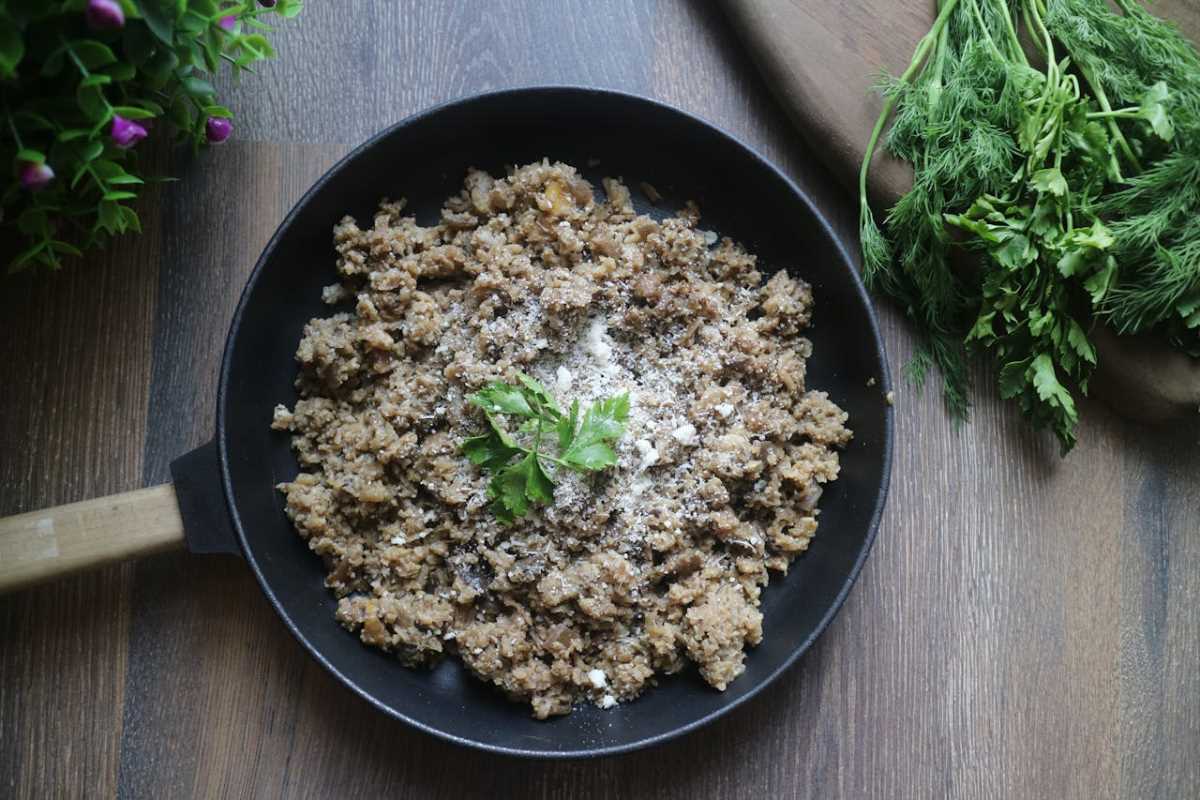
Diet culture is perhaps the biggest thief of joy. It creates strict rules about "good" and "bad" foods, leading to guilt and deprivation. A joy-centric approach to food, often called intuitive eating, emphasizes satisfaction and physical cues.
This means eating foods that you genuinely enjoy and that make your body feel good. It involves slowing down to taste your meal, appreciating the textures and flavors. It also means removing the morality from food. Eating a cookie is not a moral failing, and eating a salad is not a moral victory. They are just different ways to nourish yourself. When you remove the guilt, you can find immense pleasure in the simple act of eating, turning every meal into an opportunity for self-care.
Hobbies with No End Goal
We live in the era of the "side hustle." There is immense pressure to monetize every talent. If you knit, people ask when you will open an Etsy shop. If you write, they ask when you will publish a blog. Joy-centric wellness encourages hobbies that are strictly for you.
Engaging in an activity purely for the fun of it is liberating. You can be terrible at painting and still love the feeling of the brush on the canvas. You can play an instrument badly and still enjoy the sound. These "pointless" hobbies are actually essential. They allow you to enter a state of flow, where time seems to disappear. This state is deeply restorative for the brain. It reminds you that your value lies in your existence, not your economic output.
The Ripple Effect of Joy
Prioritizing joy does not mean you will stop achieving things. Paradoxically, when you feel happy and fulfilled, you often have more capacity to contribute to the world. The difference is the energy source. Instead of running on stress and adrenaline, you run on enthusiasm and contentment.
Improved Relationships
When you are constantly stressed and focused on efficiency, relationships can suffer. You might be physically present but mentally checking off a list. Joy brings you back to the moment. It makes you more patient, more playful, and more emotionally available.
Sharing joy connects people. Laughter, shared meals, and leisure time are the glue of strong relationships. When you prioritize your own happiness, you also give permission to those around you to do the same. You model a way of living that values connection over competition. This creates a more supportive and loving environment for everyone in your circle.
Resilience in Difficult Times
Life is inevitably challenging. There will always be stress, grief, and loss. A foundation of joy acts as an emotional immune system. It gives you a reserve of strength to draw upon when things get tough.
Knowing how to access small pockets of joy—a walk in the park, a funny movie, a call with a friend—can be a lifeline during dark periods. It reminds you that pain is not the only reality. Joy provides perspective and hope. It helps you bounce back from setbacks not by hardening yourself, but by softening into the things that make life worth living.
Overcoming the Guilt Barrier
The biggest obstacle to joy-centric wellness is often guilt. We are conditioned to believe that prioritizing pleasure is selfish or lazy. It takes courage to resist this cultural narrative.
Start by reframing joy as a necessity rather than a luxury. Remind yourself that you cannot pour from an empty cup. Taking care of your emotional needs makes you a better friend, parent, partner, and worker. It is an act of self-respect. You can also start small. You do not need to overhaul your entire life overnight. Begin with five minutes a day dedicated solely to something that makes you smile. As you experience the benefits, the guilt will slowly recede, replaced by a sense of vitality and purpose.