 (Image via
Finding a cardio workout that you truly enjoy can feel like a game-changer for your fitness journey. Dance-based fitness classes offer a joyful and effective way to get your heart pumping, combining energetic music with dynamic movements that make exercise feel less like a chore and more like a celebration. This form of cardio is fantastic for improving heart health, boosting endurance, and lifting your spirits. This guide is here to support you as we explore the world of dance fitness. We’ll look at the incredible cardio benefits, introduce you to popular class styles, and share some friendly tips to help you step onto the dance floor with confidence, no matter your experience level.
Understanding Cardiovascular Exercise
Before we dive into the dance styles, let's have a quick chat about what cardiovascular exercise, or "cardio," really means. Cardio is any activity that raises your heart rate and breathing rate for a sustained period. It challenges your heart and lungs, making them stronger and more efficient over time. This type of exercise is essential for maintaining a healthy heart, managing weight, and improving your overall stamina.
The American Heart Association recommends at least 150 minutes of moderate-intensity aerobic activity or 75 minutes of vigorous-intensity activity per week. Dance fitness easily fits into this recommendation. The continuous movement, ranging from moderate to high intensity depending on the class, provides an excellent workout for your cardiovascular system. The best part is that you’re often so caught up in the music and choreography that you barely notice how hard you’re working.
The Cardio Benefits of Dance Fitness
Dance workouts are more than just a fun way to move your body; they offer a wealth of scientifically-backed benefits for your heart and overall health. Let’s break down how shaking it up in a dance class can lead to serious fitness gains.
Improved Heart Health
At its core, dance is a powerful cardio activity. The constant motion elevates your heart rate, strengthening the heart muscle itself. A stronger heart can pump blood more efficiently throughout your body. Regular participation in dance fitness can lead to a lower resting heart rate and reduced blood pressure, both of which are key indicators of good cardiovascular health. This decreases your risk of developing heart disease over the long term.
Increased Endurance and Stamina
Have you ever felt out of breath after climbing a flight of stairs? Dance fitness can help with that. The sustained activity trains your body to use oxygen more effectively. Over time, this improves your stamina and endurance, meaning you can perform daily activities with more energy and less fatigue. A typical hour-long dance class challenges you to keep moving, building up your physical staying power in a gradual and enjoyable way.
Weight Management
Dance is an effective tool for weight management because it burns a significant number of calories. The exact amount depends on the intensity of the class and your body weight, but a person can burn anywhere from 300 to 600 calories in a single session. Combining fun movement with great music can make it easier to stay consistent with your workouts, which is a key factor in achieving and maintaining a healthy weight.
Enhanced Mood and Reduced Stress
The benefits of dance go beyond the physical. Exercise, in general, is a known mood booster because it releases endorphins, your body's natural feel-good chemicals. Dance adds an extra layer of joy through music and self-expression. Moving to a rhythm can be a powerful form of stress relief, allowing you to disconnect from daily worries and connect with your body. It’s a workout for your mind as much as it is for your body.
Popular Dance Fitness Styles to Try
The world of dance fitness is wonderfully diverse, with a style to suit nearly every taste and energy level. Here’s a look at some of the most popular options you might find. We've got you covered with this breakdown.
Zumba
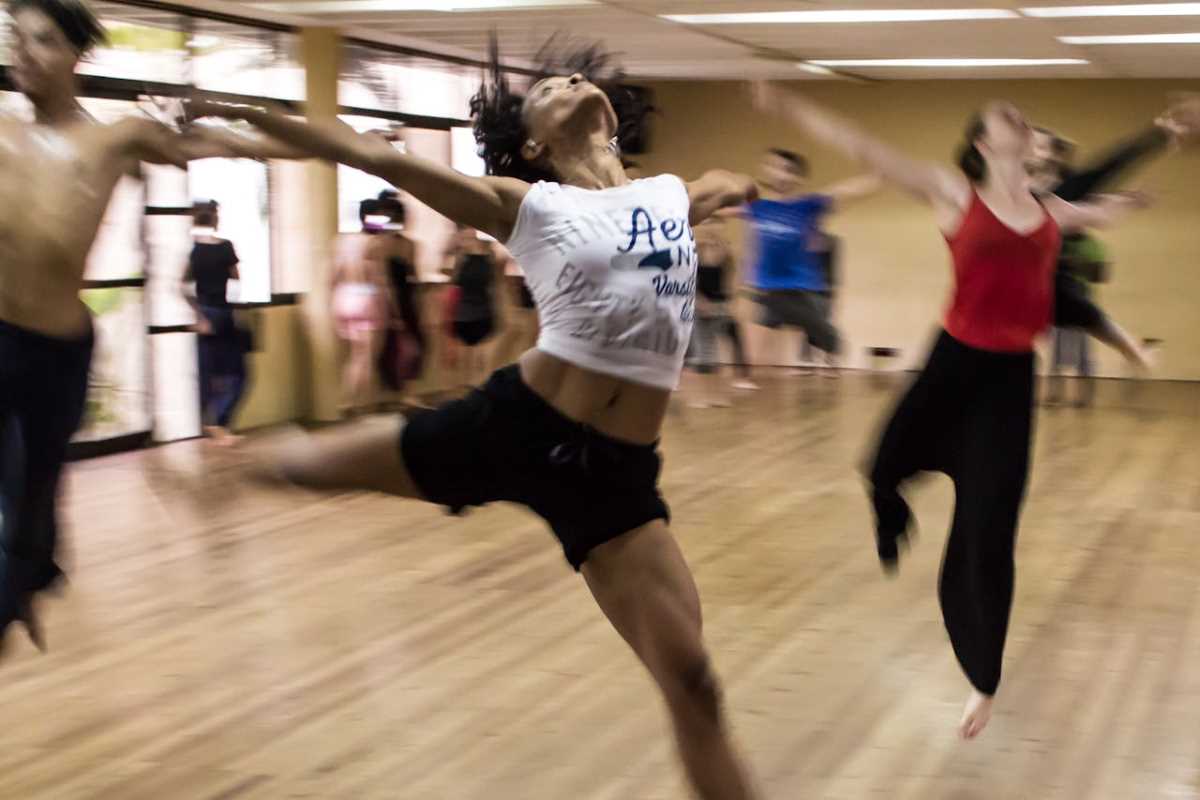
Zumba is perhaps one of the most well-known dance fitness formats. It blends high-energy aerobic movements with Latin and international rhythms. The choreography is repetitive and easy to follow, so you don't need any prior dance experience. A typical class feels more like a party than a workout, with a mix of fast and slow songs to create a built-in interval training effect. It’s an incredibly welcoming environment for beginners.
Hip-Hop Dance
Hip-hop classes focus on street dance styles set to popular hip-hop and pop music. These workouts are great for improving coordination, agility, and full-body strength. The movements can range from sharp, isolated moves to large, sweeping motions. Instructors break down routines step-by-step, so you can build confidence as you learn the choreography. It's a fantastic way to express yourself and build some serious cardio endurance.
Jazzercise
A true original in the dance fitness world, Jazzercise has evolved significantly since it started. Modern Jazzercise classes combine dance cardio with Pilates, yoga, and strength training for a comprehensive, full-body workout. The choreography is set to current pop music, and instructors are trained to provide modifications for all fitness levels. It’s a results-driven workout that effectively blends cardio and resistance training.
Cardio Dance
This is often a broader category that can encompass a variety of styles. Cardio dance classes are typically less focused on a specific genre and more on keeping you moving to popular music. The choreography is usually straightforward and designed to maximize your heart rate. These classes are perfect for anyone who just wants to dance freely without the pressure of mastering a specific technique.
Getting Started on Your Dance Journey
Stepping into your first dance fitness class can feel a little intimidating, but we’re here to help you feel prepared and empowered. Remember, everyone was a beginner at some point.
Find the Right Class and Instructor
Do a little research to find a studio or online platform that feels right for you. Many places offer introductory deals or even free trial classes. Look for descriptions that sound fun and welcoming. A great instructor will create a supportive atmosphere, offer clear cues, and make everyone feel successful, regardless of their skill level.
Dress for Comfort and Movement
You don’t need any fancy gear to start dancing. Wear comfortable, breathable clothing that allows you to move freely. Supportive athletic shoes are also important to protect your feet and joints. The most important thing is that you feel good in what you're wearing.
Let Go of Perfection
The goal of a dance fitness class is to move your body and have fun, not to execute every step perfectly. It’s completely normal to feel a bit uncoordinated at first. Don’t worry about what anyone else is doing. Focus on the music, follow the instructor as best you can, and just keep moving. The more you go, the more familiar the steps will become.
Dance-based fitness offers a truly special way to meet your cardio goals. It builds a healthier heart, boosts your energy, and provides a joyful outlet for self-expression. By finding a style you love and embracing the journey, you can build a sustainable fitness habit that nourishes both your body and your spirit. So go ahead, find a class, and let the music move you.