The concept of "clean eating" has captured attention for years, promoting a focus on whole, unprocessed foods for better health. It’s a simple idea at its core: eat foods as close to their natural state as possible. As our understanding of nutrition and the human body grows, so do the approaches to clean eating. Science is constantly revealing new insights into how different foods affect us, from our gut health to our energy levels. This guide is here to walk you through how clean eating has evolved, incorporating the latest scientific discoveries. We'll explore what it means today, look at the science behind its benefits, and offer practical ways to bring this updated approach to your own plate.
The Original Principles of Clean Eating
Clean eating first gained traction with a straightforward message: choose whole foods over processed ones. The initial focus was on avoiding anything that came in a box, bag, or can with a long list of ingredients you couldn't pronounce. This meant prioritizing fruits, vegetables, lean proteins, and whole grains in their most natural forms. The idea was to eliminate artificial preservatives, colors, flavors, sweeteners, and hydrogenated fats.
This approach encouraged people to cook more meals at home, giving them direct control over what they consumed. It emphasized reading labels and becoming more mindful of food origins. The core philosophy was simple and empowering: nourishing your body with real food could lead to improved energy, better digestion, and overall well-being. It was less about counting calories and more about counting chemicals, steering people toward a more wholesome way of eating that our great-grandparents might recognize. This foundation remains valuable, but science has since added new layers of understanding.
The Evolution: How Science Is Shaping Clean Eating
Modern nutrition science has expanded the definition of clean eating beyond just "whole versus processed." Researchers now explore the intricate connections between our food, our genes, our gut microbiome, and our overall health. This has led to a more nuanced and personalized approach. The conversation has shifted to include topics like nutrient density, gut health, and the impact of farming practices on our food's quality.
Focus on Nutrient Density
Today’s clean eating emphasizes not just the absence of additives but the presence of vital nutrients. Nutrient density refers to the amount of vitamins, minerals, and other beneficial compounds a food contains relative to its calorie count. For example, a cup of kale has far more vitamins and minerals than a cup of iceberg lettuce, even though their calorie counts are similar.
Science shows that a nutrient-dense diet is crucial for preventing chronic diseases and supporting optimal body function. This has encouraged a shift toward prioritizing foods like dark leafy greens, colorful berries, nuts, seeds, and fatty fish. It’s not just about avoiding "bad" foods; it’s about actively seeking out the "good" ones that pack the biggest nutritional punch.
The Gut Microbiome Revolution
One of the most significant scientific advancements influencing clean eating is our understanding of the gut microbiome. Your gut is home to trillions of bacteria and other microbes that play a massive role in your health. They influence everything from digestion and immunity to mood and metabolism.
A modern clean eating approach focuses on nourishing this internal ecosystem. This means incorporating foods rich in prebiotics and probiotics.
- Prebiotics: These are types of fiber that feed your beneficial gut bacteria. You can find them in foods like garlic, onions, bananas, and whole grains.
- Probiotics: These are live beneficial bacteria found in fermented foods. Including items like yogurt, kefir, kimchi, and sauerkraut in your diet can help support a healthy and diverse gut microbiome.
This focus moves beyond the individual and looks at feeding the entire community of organisms that keep us healthy.
Understanding Inflammation
Chronic inflammation is now recognized as a root cause of many health issues, including heart disease, diabetes, and autoimmune disorders. The foods we eat can either promote or combat inflammation. A scientifically-informed clean eating plan aims to reduce inflammation by incorporating anti-inflammatory foods.
This includes foods rich in omega-3 fatty acids, such as salmon and flaxseeds, as well as those high in antioxidants, like blueberries, spinach, and turmeric. At the same time, it means reducing or eliminating pro-inflammatory foods, which often include processed sugars, refined carbohydrates, and unhealthy fats commonly found in fried and packaged foods.
Personalized Nutrition: The New Frontier
Perhaps the most exciting evolution in clean eating is the move toward personalization. We are learning that there is no one-size-fits-all diet. Your unique genetic makeup, lifestyle, and health status all influence how your body responds to different foods.
Concepts like nutrigenomics—the study of how food and genes interact—are becoming more mainstream. While still an emerging field, it highlights that the "perfect" diet is highly individual. For some, a diet rich in healthy fats is ideal, while others may thrive on more carbohydrates. A modern approach to clean eating encourages you to listen to your body and pay attention to how different foods make you feel. It’s about creating a sustainable eating pattern that works for you, not following a rigid set of rules.
This may involve working with a registered dietitian or nutritionist to understand your specific needs. It’s a supportive journey of self-discovery, using food as a tool to help you feel your best.
Practical Steps to Adopt a Modern Clean Eating Lifestyle
Adopting this evolved approach doesn’t have to be complicated. It’s about making small, consistent changes that add up over time. Here are some actionable tips to get you started.
Prioritize Whole, Nutrient-Dense Foods
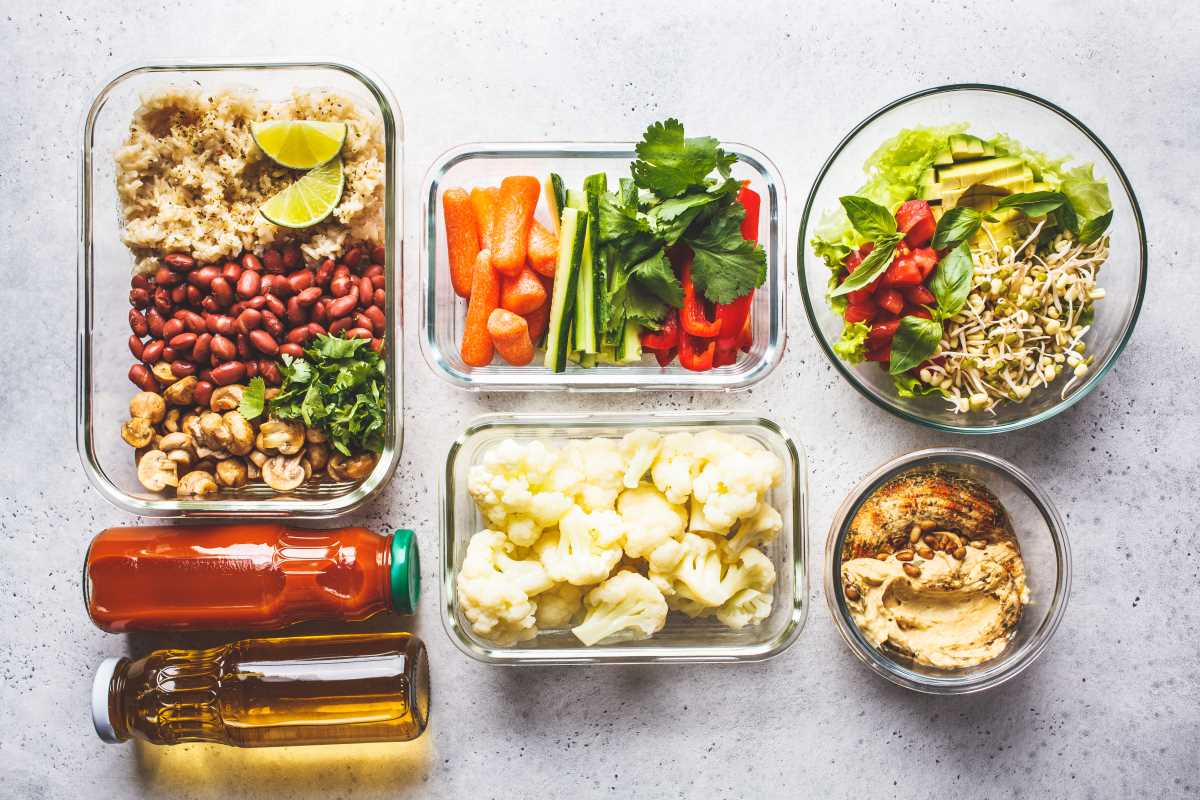
Make your grocery cart a colorful and vibrant place. Fill it with a wide variety of fruits and vegetables, aiming for different colors to ensure you get a broad range of antioxidants and phytonutrients. Choose lean proteins like chicken, fish, beans, and lentils. Opt for whole grains such as quinoa, brown rice, and oats.
Read Labels with a New Perspective
Continue to read ingredient lists, but with a new goal. Look for short lists with recognizable ingredients. Beyond avoiding artificial additives, check for added sugars and unhealthy fats. Also, look for positive attributes, like "good source of fiber" or "contains live and active cultures" on yogurt.
Nurture Your Gut
Make a conscious effort to include prebiotic and probiotic foods in your diet regularly. You could start your day with yogurt topped with berries and a sprinkle of flaxseed. Or, you can add a side of sauerkraut or kimchi to your lunch. These small additions can make a big difference to your digestive health.
Cook More Meals at Home
Cooking at home remains one of the best ways to control what goes into your food. Experiment with new recipes that feature whole ingredients and anti-inflammatory spices like turmeric, ginger, and garlic. Cooking can be a fun and empowering way to connect with your food and nourish your body.
Clean eating has evolved from a simple set of rules into a dynamic and personalized approach to wellness. Backed by science, it encourages us to focus on nutrient density, support our gut health, and listen to our bodies' unique needs. By embracing these principles, you can create a way of eating that not only feels good but also supports your long-term health and vitality. It's an empowering journey of nourishing yourself from the inside out.