 (Image via
Barre workouts offer a unique blend of ballet-inspired movements, yoga, and Pilates, creating a dynamic fitness experience that targets key muscle groups. This low-impact, high-intensity exercise has gained popularity for its ability to build strength, improve flexibility, and enhance posture. At the heart of this practice is a strong focus on the core, the powerhouse of your body. Developing core strength and balance through barre can transform how you move, feel, and carry yourself every day. This guide will walk you through the fundamentals of barre, explain how it strengthens your core, and provide practical tips to help you get started on your journey toward a more stable and centered you.
Understanding the Foundations of Barre
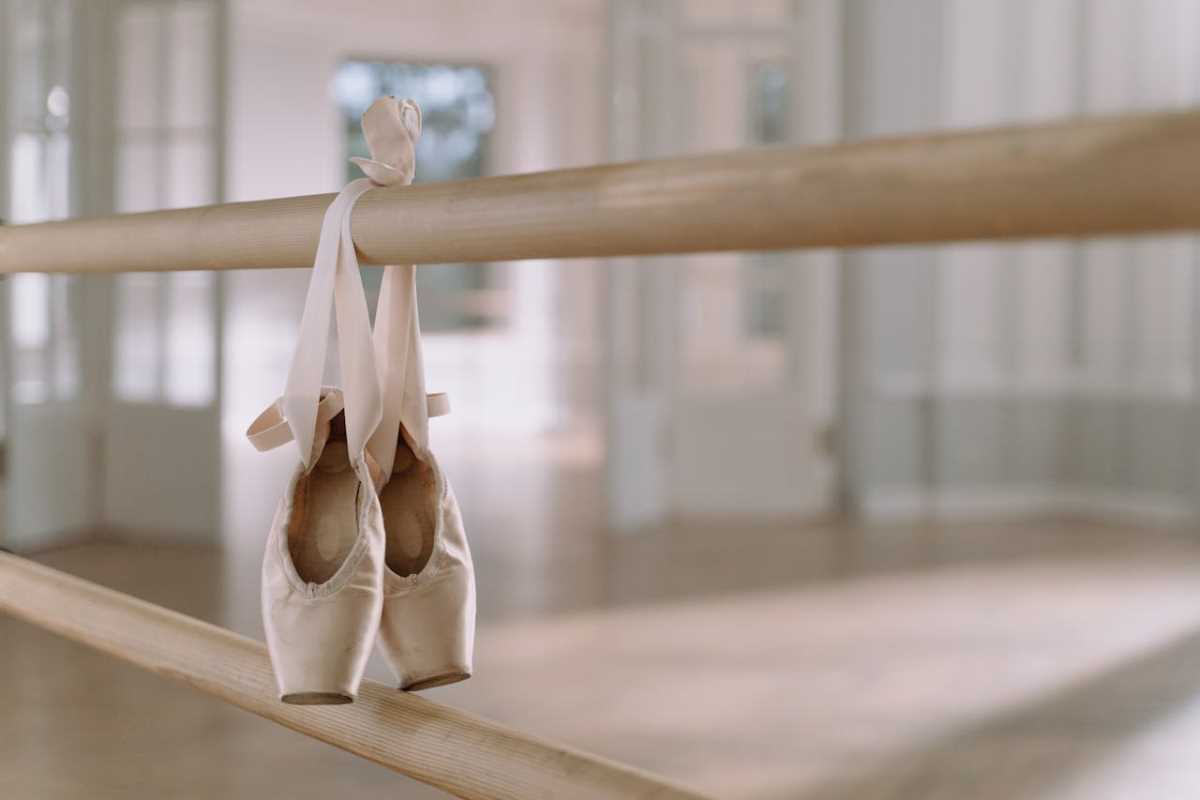
Barre fitness is an exercise method inspired by the movements and positions found in classical ballet. It combines these elegant postures with elements from Pilates and yoga to create a full-body workout. Classes are typically performed using a stationary handrail—the barre—for support, but many exercises can be modified to be done at home with a chair or countertop.
The workout centers around small, controlled movements called isometric contractions. In these exercises, you contract a specific muscle or group of muscles and hold that position for a set period. These tiny, one-inch movements, often called pulses, are surprisingly challenging. They are designed to exhaust the muscle, leading to increased strength and endurance without putting stress on your joints. This makes barre an excellent option for people of all fitness levels, including those recovering from injuries.
A typical barre class will guide you through a series of exercises that target the arms, legs, glutes, and, most importantly, the core. You will use your own body weight for resistance, along with light equipment like small hand weights, resistance bands, and exercise balls to add intensity and variety to the movements.
The Core Connection: More Than Just Abs
Your core is much more than the six-pack muscles you see on the surface. It is a complex system of muscles that wraps around your entire torso, including your abdomen, back, hips, and pelvis. These muscles work together to stabilize your spine, control movement, and transfer energy throughout your body. A strong core is the foundation for good posture, better balance, and reduced risk of injury.
Barre workouts are exceptional for building deep core strength because they constantly engage these stabilizing muscles. Many of the movements require you to maintain a neutral spine and a "tucked" pelvis. This position, where you gently pull your navel toward your spine and tilt your tailbone down, activates the transverse abdominis. This is the deepest layer of your abdominal muscles and acts like a natural corset for your midsection.
By holding challenging positions and performing small, precise movements, you train these core muscles to work together effectively. This builds functional strength that supports you not just in the studio but in all your daily activities, from carrying groceries to sitting at a desk.
How Barre Builds Core Strength
Barre exercises are deliberately designed to challenge your core from multiple angles. Every movement, whether you are targeting your legs or arms, requires core engagement to maintain proper form and stability. Let's explore some of the key ways barre strengthens your midsection.
Isometric Holds and Pulses
The signature isometric holds and tiny pulses of barre are powerhouses for building muscle endurance. Holding a position like a plank or a "C-curve" (sitting with a rounded lower back) forces your core muscles to fire continuously. The small pulses add an extra layer of challenge, fatiguing the muscles to the point where they must adapt and grow stronger. This method is incredibly effective for targeting those deep, hard-to-reach stabilizer muscles.
Focus on Neutral Spine and Pelvic Tuck
Instructors consistently cue students to maintain a neutral spine and a slight pelvic tuck. This alignment is crucial for protecting your lower back and maximizing core activation. Consistently practicing this posture in class helps build muscle memory. Over time, you will find yourself naturally maintaining better posture outside of the studio, reducing strain on your back and improving your overall alignment.
Unilateral and Unstable Movements
Many barre exercises involve working one side of the body at a time (unilateral training) or standing on one leg. These movements create instability, forcing your core to work harder to keep you balanced and centered. Lifting one leg off the floor in a standing position, for example, immediately engages the obliques and other deep core muscles to prevent you from tipping over. This constant challenge to your stability is a key component in building a truly strong and functional core.
Improving Balance Through Barre
Balance is a skill that often declines with age, but it is something you can actively improve with practice. Barre workouts provide the perfect environment for enhancing your stability. The connection between core strength and balance is direct; a strong, engaged core provides the stable base from which all balanced movements originate.
The use of the barre itself is a tool for balance training. It offers support, allowing you to challenge your balance in a safe and controlled way. You might start by holding on with both hands, progressing to one hand, and eventually to just your fingertips. The goal is to rely on your own strength and stability rather than the barre.
Exercises performed at the center of the room, away from the barre, further test your balance and proprioception—your body's ability to sense its position in space. Standing on one leg while performing small movements with the other leg or your arms challenges your body to make constant, tiny adjustments to stay upright. These exercises strengthen the muscles in your feet, ankles, and legs, all of which play a vital role in maintaining your balance.
Getting Started with Barre Workouts
Beginning your barre journey is an exciting step toward building a stronger, more balanced body. Here are a few tips to help you get started on the right foot.
Find the Right Class for You
Look for a studio or online platform that offers beginner-friendly classes. A good instructor will provide clear instructions, demonstrate proper form, and offer modifications for different fitness levels. Don't be afraid to let the instructor know you are new; they are there to help you succeed.
Focus on Form Over Intensity
Proper form is everything in barre. It ensures you are working the intended muscles and protects you from injury. Pay close attention to the instructor's cues, especially those related to posture and core engagement. It is better to perform a movement correctly with less intensity than to push yourself too hard with poor form.
Listen to Your Body
Barre workouts are challenging, and you will likely feel your muscles shaking—that's a good sign! However, you should never feel sharp pain. Listen to your body and take breaks when you need them. Remember that consistency is more important than intensity. Progress will come with time and regular practice.
Barre offers a powerful and supportive way to build core strength and improve balance. It teaches you to connect with your body, move with intention, and build a strong foundation for a healthy, active life. By embracing the small movements and focusing on your form, you can unlock a new level of strength and stability that will serve you well both in and out of the studio.