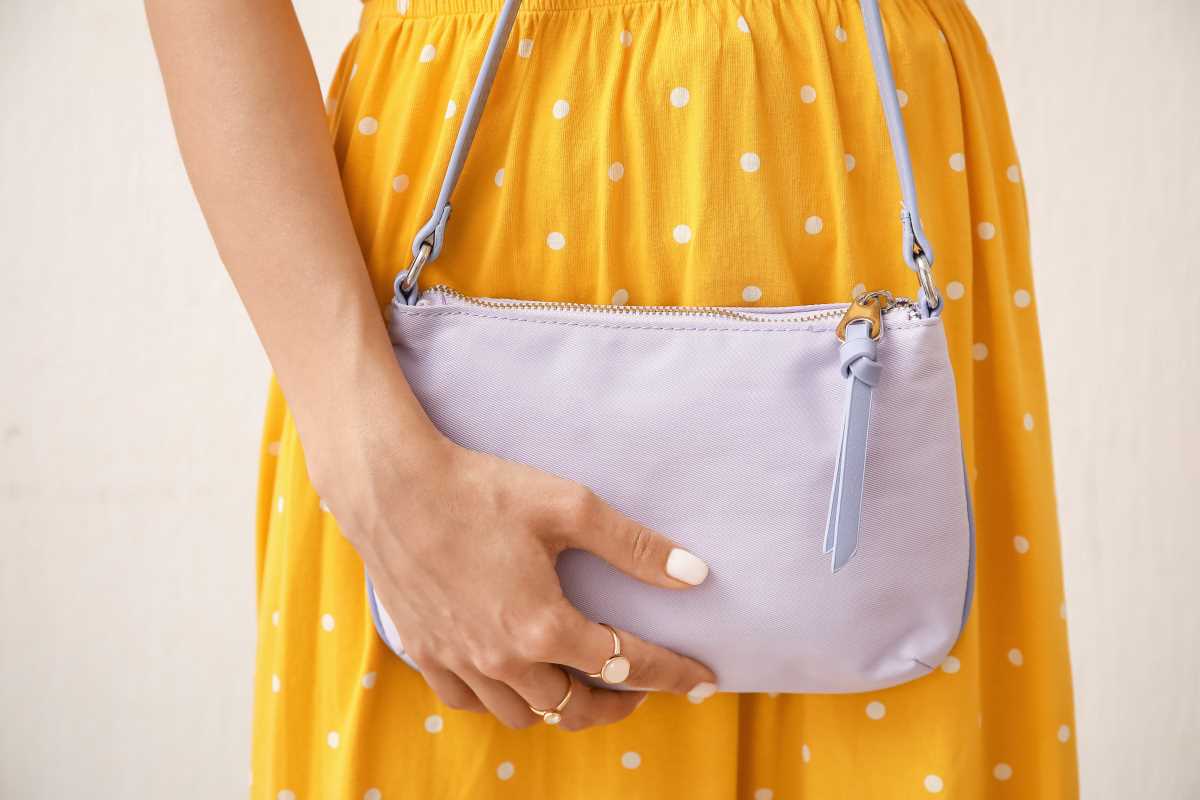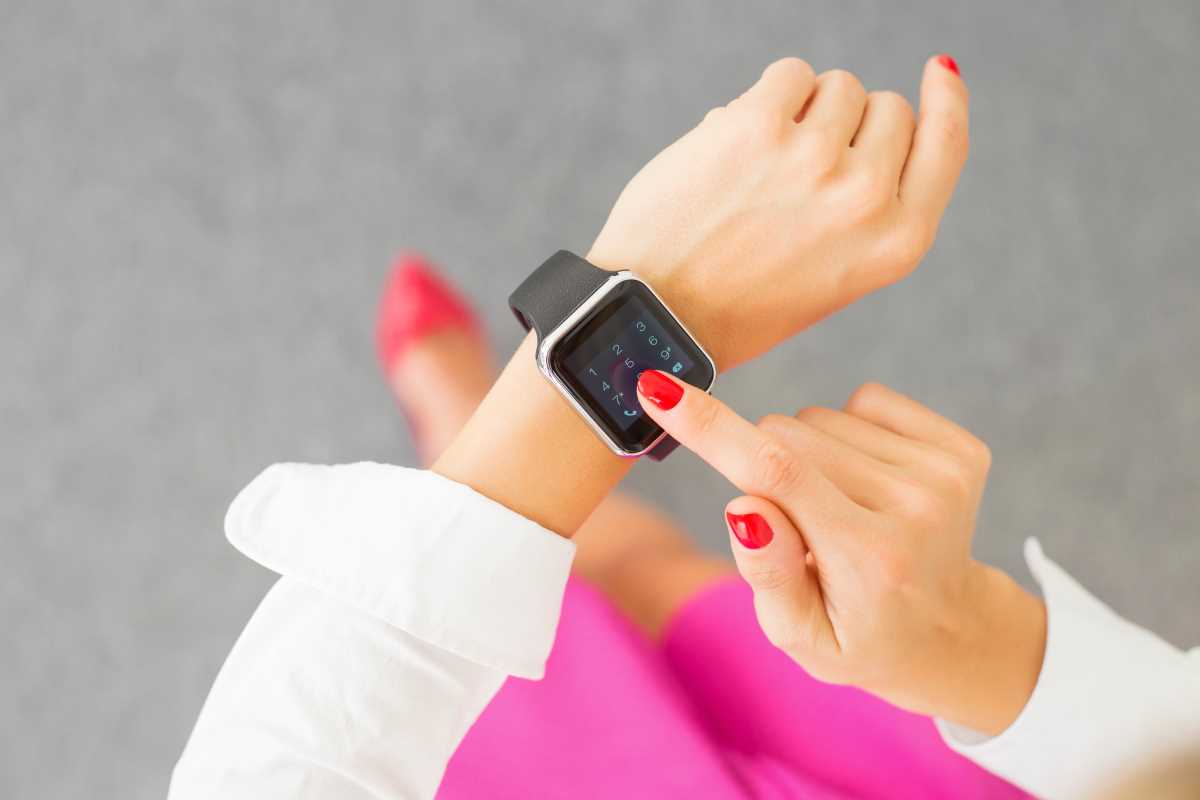
Wearable technology has moved far beyond its initial purpose of simply counting steps or tracking heart rates. These innovative devices are no longer just functional gadgets; they have become powerful fashion statements. Smartwatches, fitness trackers, and even smart rings are now designed with aesthetics as a primary focus, blending sophisticated technology with high-end style. Consumers are choosing wearables that not only connect to their digital lives but also complement their personal style, much like a traditional watch or piece of jewelry. This evolution marks a major turning point where technology and fashion are no longer separate entities but are merging to create a new category of stylish, personal accessories for the modern world.
From Functional Gadgets to Fashion Accessories
The journey of wearable tech from bulky, utilitarian devices to sleek, fashionable items has been a rapid one. Early fitness trackers were often clunky plastic bands, valued more for their function than their form. Their primary purpose was to deliver data, and aesthetics were an afterthought. These first-generation devices were worn for a specific purpose—exercise—and were often removed for social or professional occasions. They loudly proclaimed "I am a piece of technology" rather than integrating smoothly into an outfit.
This began to change as the market grew and consumer expectations evolved. People wanted devices they could wear all day, every day, from the gym to the office to a night out. Technology companies recognized that for wearables to achieve mainstream adoption, they needed to appeal to a sense of style. This prompted a design revolution. Manufacturers started collaborating with fashion designers, using premium materials like stainless steel, leather, and even precious metals. The focus shifted to creating devices that looked and felt like luxury accessories.
Today, customization is a key part of the appeal. Users can swap out bands on their smartwatches to match their outfits, choosing from a vast array of materials, colors, and styles. Digital watch faces can be changed with a simple tap, allowing the device's look to shift from a classic analog display to a modern, data-rich interface. This ability to personalize the device makes it a true extension of one’s individual style, much like choosing a handbag or a pair of shoes.
Why Style is Now Central to Wearable Tech
Several factors have converged to make design a critical element in the success of wearable technology. The blending of form and function now dictates consumer choice.
The Importance of Personal Expression
Clothing and accessories have always been a form of self-expression. The items we choose to wear tell a story about who we are, what we value, and how we see ourselves. As wearables have become a constant presence on our bodies, they have naturally become part of this personal narrative. A clunky, impersonal device clashes with a carefully curated personal style. Consumers now demand wearables that align with their aesthetic identity. A sleek, minimalist smart ring or a classic-looking smartwatch allows them to integrate technology into their lives without compromising their look.
Broadening the Consumer Base
Focusing on fashion has opened up the wearables market to a much wider audience. The initial market consisted mainly of tech enthusiasts and serious athletes. By transforming these devices into stylish accessories, companies have attracted fashion-conscious consumers who may have previously been uninterested in the technology itself. People who would never wear a plastic fitness band are now drawn to elegant smartwatches that resemble timeless designer pieces. This expansion is crucial for the long-term growth and relevance of the wearable tech industry.
The Influence of High-Fashion Collaborations
The partnership between tech giants and luxury fashion brands has been a game-changer. Collaborations like Apple with Hermès and Samsung with Thom Browne have lent an air of prestige and desirability to wearable tech. These partnerships send a clear message: wearables are not just gadgets, but legitimate fashion items. When a respected fashion house puts its name on a smartwatch, it validates the device's place in the world of high style. This has helped to shift public perception and elevate the status of wearables from niche tech to mainstream fashion.
Examples of Fashion-Forward Wearable Tech
The market is now full of devices that successfully merge cutting-edge technology with sophisticated design. These products demonstrate how style and substance can coexist.
- Smartwatches: This is the most prominent category where fashion has taken center stage.
- The Apple Watch has become a style icon, thanks to its sleek design and the endless customization options offered by its interchangeable bands. The collaboration with Hermès, featuring luxurious leather straps, cemented its status as a high-fashion accessory.
- Samsung's Galaxy Watch series often features a classic round face and rotating bezel, mimicking the design of traditional luxury timepieces. It appeals to users who want smart functionality without sacrificing a timeless look.
- Brands like Garmin have also created premium lines, such as the MARQ collection, which use materials like titanium and sapphire glass to cater to a luxury market.
- Smart Rings: For those seeking a more discreet wearable, smart rings are an emerging trend.
- The Oura Ring is a prime example. It tracks sleep and activity from a minimalist band worn on the finger. Available in finishes like gold, silver, and matte black, it looks like a simple piece of modern jewelry, allowing users to monitor their health without wearing a device on their wrist.
- Stylish Fitness Trackers: Even dedicated fitness trackers have received a style upgrade.
- Fitbit's Luxe and Charge series offer slim, elegant designs that resemble jewelry more than traditional fitness bands. With options for metal link bracelets and designer accessories, they can be easily dressed up or down.
- Smart Jewelry: Some companies are embedding technology directly into traditional jewelry. Brands like Bellabeat create smart pendants and bracelets that track activity, sleep, and stress levels while looking like beautiful, contemporary accessories.