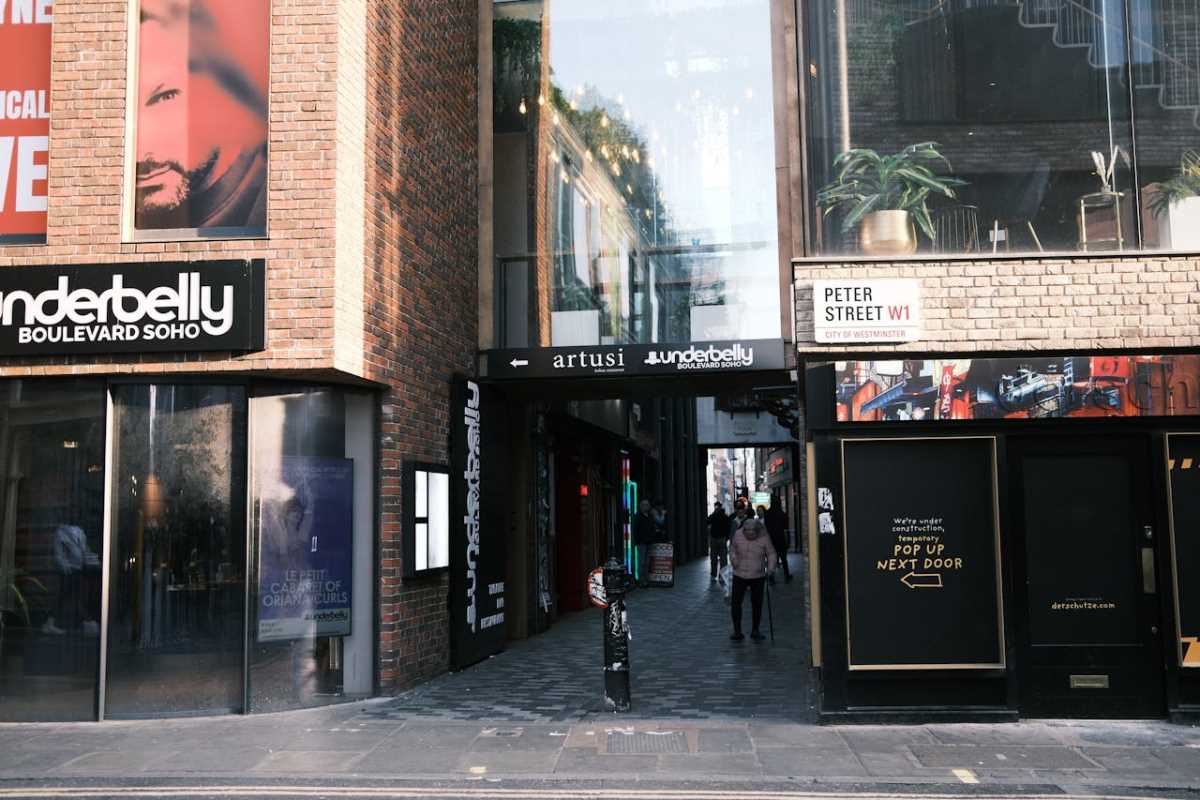
 (Image via
The world of retail is undergoing a vibrant transformation, moving beyond traditional brick-and-mortar stores. Temporary, experiential shops known as pop-ups are at the forefront of this change, offering customers more than just a place to buy things. These short-term retail events create unique, immersive environments that build excitement and foster a deeper connection between brands and consumers. They are becoming a powerful tool for everything from launching new products to testing new markets. This shift indicates that the future of shopping isn't just about transactions; it's about creating memorable experiences that engage, entertain, and build lasting community. Pop-ups are proving to be a flexible and effective strategy for thriving in this new retail landscape.
What Are Pop-Up Experiences?
At its core, a pop-up shop is a temporary retail space. These shops can appear in unexpected locations—like an empty storefront, a gallery, or even a shipping container—for a limited time, ranging from a single day to several months. The key element that separates a modern pop-up from a simple temporary store is its focus on experience. Instead of just displaying products on shelves, brands use pop-ups to create immersive worlds for their customers.
These experiences are designed to be engaging and shareable. A pop-up might feature interactive displays, photo opportunities, exclusive product drops, or events like workshops and guest appearances. The goal is to generate excitement and a sense of urgency. Because the shop is temporary, it creates a "you have to be there" feeling, encouraging customers to visit before the opportunity is gone. This strategy helps brands cut through the noise of a crowded market and build genuine buzz. It’s a wonderfully direct way for companies to connect with their audience in a physical, tangible way.
Why Pop-Ups Are Gaining Popularity
The rise of pop-up retail is a direct response to changing consumer behaviors and the challenges of the modern marketplace. Both new and established brands are finding immense value in this flexible and dynamic model for several important reasons.
Lower Risk and Cost
Opening a permanent retail store is a massive financial commitment. It involves long-term leases, significant overhead costs for staffing and utilities, and a large investment in inventory. Pop-ups offer a much more accessible alternative. The short-term nature of the lease dramatically reduces the financial risk, making it an ideal way for direct-to-consumer (DTC) online brands to test a physical retail presence without a huge upfront cost. This allows companies to experiment and learn what works for their audience in a real-world setting.
Creating Scarcity and Hype
The temporary nature of pop-ups is one of their greatest strengths. This scarcity creates a powerful sense of urgency, a psychological trigger known as FOMO (fear of missing out). Customers know they have a limited window to visit the shop and access exclusive products or experiences, which drives immediate foot traffic. Brands often amplify this effect through social media campaigns, counting down the days until the pop-up opens and closes. This strategy helps generate organic excitement and turns a simple shopping trip into a highly anticipated event.
Building Authentic Community
Pop-ups provide a unique opportunity for brands to interact with their customers face-to-face. In a digital world, these in-person connections are incredibly valuable for building loyalty. Brands can gather direct feedback, listen to customer stories, and create a welcoming space where people feel seen and heard. Many pop-ups host community-focused events, such as classes, panel discussions, or meet-and-greets, which transform the space from a store into a community hub. This fosters a much deeper, more personal relationship than a simple online transaction ever could.
The Benefits for Brands and Consumers
Pop-up experiences offer a win-win scenario, providing significant advantages for both the companies that create them and the customers who visit them. It’s a strategy that truly benefits everyone involved.
For Brands:
- Market Testing: Pop-ups are an excellent tool for research. Brands can test a new product line to see how it performs before a wider launch. They can also experiment with a new geographic location to gauge interest before committing to a permanent store there.
- Increased Brand Awareness: An innovative and well-executed pop-up can generate a massive amount of media attention and social media buzz. The unique and photogenic nature of these spaces encourages visitors to share their experiences online, acting as free marketing and introducing the brand to new audiences.
- Liquidating Inventory: For some brands, a pop-up can be a creative and profitable way to sell off excess inventory. By framing it as an exclusive sample sale or warehouse event, they can clear stock without devaluing their brand through heavy online discounts.
For Consumers:
- Unique Experiences: Customers get to do more than just shop. They are invited to participate in a memorable event, offering a fun and entertaining way to spend their time. It turns shopping from a chore into a discovery.
- Direct Brand Interaction: Pop-ups allow customers to touch and feel products they may have only seen online. They can also speak directly with brand representatives, ask questions, and learn the story behind the products they love.
- Sense of Discovery: The thrill of discovering a new pop-up adds excitement to the urban landscape. It gives people a reason to explore their cities and towns, knowing they might stumble upon something new and temporary.
The Future of Retail is Experiential
The success of the pop-up model signals a broader shift in what people want from retail. Consumers are no longer satisfied with passive shopping; they crave engagement, connection, and entertainment. This trend is pushing all retailers, even those with permanent stores, to think more like event planners.
We can expect to see the line between retail and entertainment continue to blur. Permanent stores will increasingly incorporate pop-up-like elements, such as rotating in-store installations, exclusive events, and limited-time collaborations. The goal will be to give customers a reason to visit in person, offering something that an online store cannot replicate. The focus will be on creating a dynamic and ever-changing environment that encourages repeat visits.
Technology will also play a larger role. Augmented reality (AR) try-ons, interactive digital displays, and personalized experiences powered by data will make pop-ups even more immersive. Imagine a pop-up where you can use your phone to see how a piece of furniture would look in your own home or where the lighting and music change based on your mood.


.jpg)