 (Image via
Smart technology is rapidly changing how people interact with their living spaces every single day. Devices that communicate with each other create a home environment that works specifically for your personal needs. You might feel slightly overwhelmed by the options available, but the transition is actually quite manageable. Adapting your home to the rise of smart living does not require a complete renovation or a massive budget. Small changes can make a significant impact on your daily comfort and security. We will guide you through the basics of this technological shift and show you practical ways to upgrade your space. This article covers everything from simple smart plugs to comprehensive security systems, ensuring you feel confident making these modern updates.
Understanding the Concept of Smart Living
Smart living refers to the integration of technology into your daily life to make tasks easier, safer, and more efficient. Technology in this context is not just about having a computer or a smartphone. It involves connecting various devices in your house to the internet and to each other. This network of devices is often called the Internet of Things (IoT). A truly smart home ecosystem allows your lights, thermostat, door locks, and even your refrigerator to exchange data and respond to your commands.
Automation stands as the central pillar of this concept. You can program devices to react automatically to certain triggers. For example, your lights can turn on the moment you unlock your front door. Voice control is another major aspect. Speaking a simple command to a virtual assistant can adjust the temperature or play your favorite music. We want you to understand that this technology is designed to serve you, reducing the friction in your daily routines.
The Key Benefits of a Connected Home
Adopting these new tools brings tangible improvements to your quality of life. It creates an environment that supports your lifestyle rather than complicating it.
Enhanced Convenience and Comfort
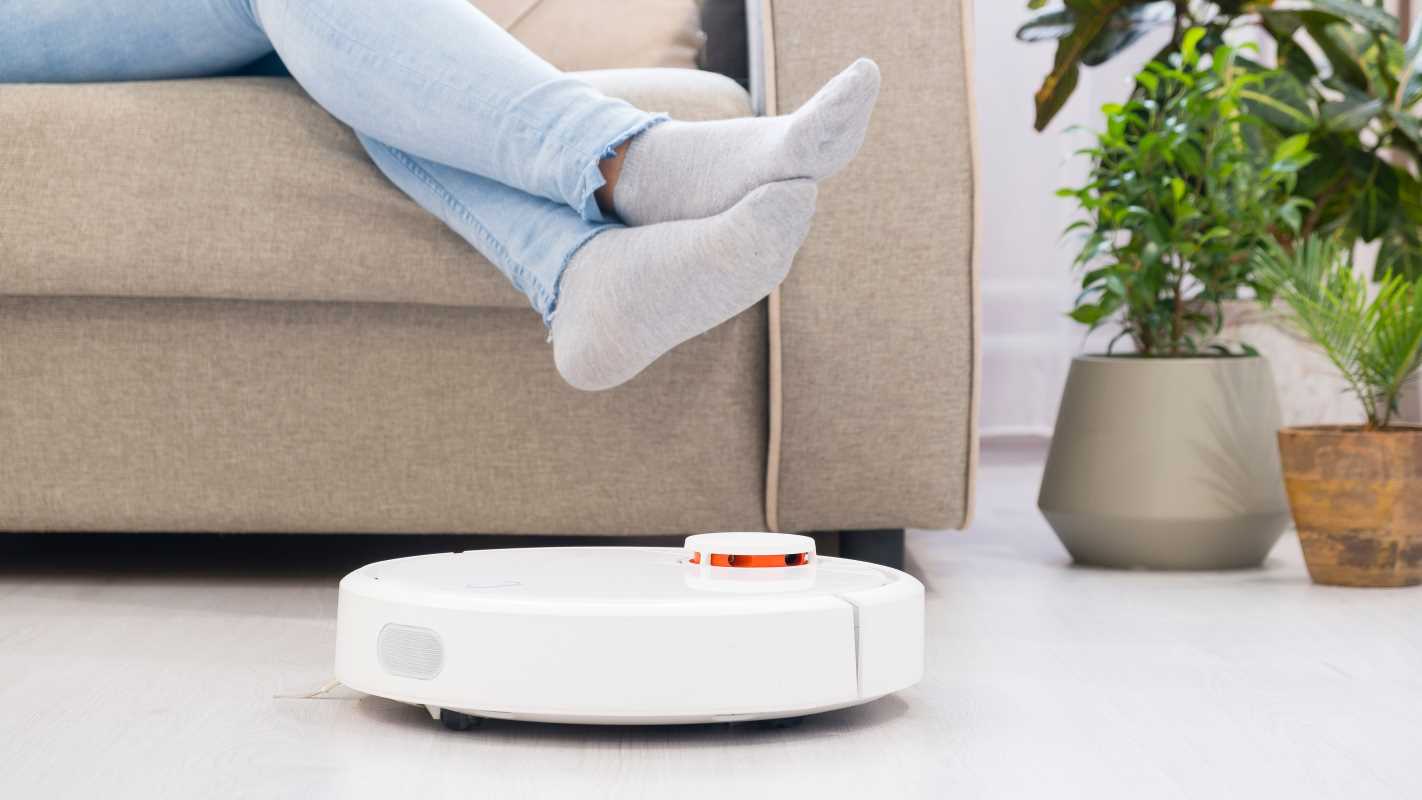
Daily chores often take up valuable time and mental energy. Smart devices automate these repetitive tasks. You can start your coffee maker from your bed or set a schedule for your robotic vacuum cleaner to tidy up while you are at work. This level of automation frees up your schedule, allowing you to focus on what truly matters to you. Customizing your environment is also easier than ever. You can create "scenes" where a single command dims the lights and lowers the blinds for movie night.
Improved Energy Efficiency
Saving energy is a priority for both your wallet and the planet. Smart thermostats learn your schedule and adjust the temperature when the house is empty, ensuring you aren't heating or cooling an unused space. Smart plugs can cut power to devices that are not in use, eliminating "vampire" energy draw. Monitoring your energy consumption through apps gives you clear insights into where your money goes each month. These small adjustments add up to significant savings over time.
Security and Peace of Mind
Keeping your family and property safe is likely your top priority. Connected security systems offer real-time monitoring that traditional alarms cannot match. You can view live video feeds from your smartphone, receive alerts when motion is detected, or remotely lock a door you forgot to secure. This constant connection provides reassurance, especially when you are traveling or away from the property for extended periods.
Accessibility for Everyone
Inclusivity is a wonderful benefit of smart home technology. Features like voice control and automated lighting can be life-changing for individuals with limited mobility or disabilities. Simple voice commands replace the need to physically reach switches or turn dials. Smart locks allow access for caregivers or family members without the need for physical keys. Technology has the power to foster independence and make homes more accessible for everyone in our community.
Practical Steps to Start Your Transformation
Building a smart home is a journey, not a race. You do not need to buy everything at once. We recommend starting with a strong foundation and adding devices as you become comfortable.
Establishing a Central Hub
Coordination is essential for a smooth experience. A central hub or smart speaker acts as the brain of your operation. Popular options include devices from major tech companies that utilize voice assistants. This device connects to your Wi-Fi and communicates with your other smart gadgets. Choosing a widely compatible hub ensures that the devices you buy in the future will work seamlessly together. You should pick an ecosystem that feels intuitive to you and stick with it to avoid compatibility headaches.
Upgrading Your Lighting
Lighting is often the easiest entry point for beginners. Smart bulbs screw into your existing fixtures just like regular light bulbs. You can control their brightness and color through an app or your voice assistant. Smart switches are another option. Replacing a traditional wall switch with a smart version allows you to control existing fixtures without changing every bulb. You can set schedules so your porch lights turn on at sunset and off at sunrise, ensuring you never come home to a dark house.
Securing Your Entry Points
Safety upgrades provide immediate value. Smart doorbells equipped with cameras allow you to see and speak to visitors from anywhere. This is particularly useful for screening packages or deterring potential intruders. Smart locks replace or retrofit your existing deadbolt. You can assign unique digital keys to family members, creating a log of who enters and leaves. Locking and unlocking the door becomes as simple as tapping your phone screen.
Managing Climate Control
Temperature regulation affects your comfort more than almost anything else. Smart thermostats replace your old manual unit. These devices connect to your Wi-Fi and allow you to adjust the temperature remotely. Many models use sensors to detect which rooms are occupied, prioritizing comfort in the spaces you are actually using. Over time, the device learns your preferences and creates a schedule that maximizes efficiency without sacrificing comfort.
Exploring Advanced Smart Appliances
Once you master the basics, you might consider larger investments. The kitchen and laundry room are prime candidates for modernization.
Smart refrigerators feature touch screens that help you manage your grocery lists and family calendars. Some even have internal cameras so you can check your milk supply while you are at the grocery store. Smart ovens allow you to preheat the appliance on your way home from work, speeding up dinner preparation.
Laundry becomes less of a chore with connected washers and dryers. These machines can send a notification to your phone when a cycle is complete. This simple alert prevents wet clothes from sitting in the washer too long. Some dryers can even detect the moisture level in your clothes and adjust the drying time automatically to prevent damage to fabrics. These appliances represent a larger financial commitment, but they offer sophisticated features that can streamline household management significantly.
Navigating Challenges and Privacy Concerns
Adopting new technology always comes with considerations. We believe it is important to be aware of potential hurdles so you can navigate them with confidence.
Privacy is a valid concern for many people. Smart devices collect data to function correctly, such as your daily schedule or voice commands. You should always read the privacy policy of any device you install. Secure your home network by using strong, unique passwords for your Wi-Fi and all your accounts. Enable two-factor authentication whenever possible to add an extra layer of protection.
Compatibility can also be tricky. Not every smart device works with every hub. Looking for "Works with..." labels on packaging helps you identify products that integrate with your chosen system. Research is your best friend here. Taking the time to verify compatibility before you buy saves you frustration later.
Reliance on the internet is another factor. Most smart devices require a stable Wi-Fi connection to function fully. Upgrading your router or installing a mesh Wi-Fi system can ensure your signal reaches every corner of your house. You should also check how devices behave during a power or internet outage. Many essential devices, like smart locks, have battery backups or physical key options to ensure you are never locked out.